|
Who We AreLAM+ — Laboratory for Multispectral Analysis and Artificial Intelligence for Sediments — is a multi-user scientific platform dedicated to the integrated analysis of sedimentary sequences at high resolution, combining non-destructive techniques with geochemistry and geophysics, together with artificial intelligence tools. The laboratory operates as a shared infrastructure focused on innovation in geosciences, human resource training and interinstitutional collaboration, producing reproducible and integrated data for sedimentological, palaeoenvironmental, climatic and environmental interpretations. |
High resolution
Continuous data at millimetre, sub-millimetre or microscopic scale, depending on the technique applied.
Non-destructive analyses
Methods that preserve cores and samples are prioritised, maintaining their scientific and curatorial value.
Multiproxy integration
Combination of geochemical and geophysical spectral data, as well as scanning electron microscopy with EDS.
Artificial intelligence
Use of machine learning and data science for pattern recognition, data integration and interpretation.
Analytical infrastructure
The LAM+ infrastructure combines hyperspectral imaging equipment, geochemical scanning, electron microscopy with EDS, geophysical properties profiling (magnetic susceptibility, resistivity, gamma density and P-wave velocity), visual documentation of samples and computational tools for the integration and interpretation of sedimentary data.
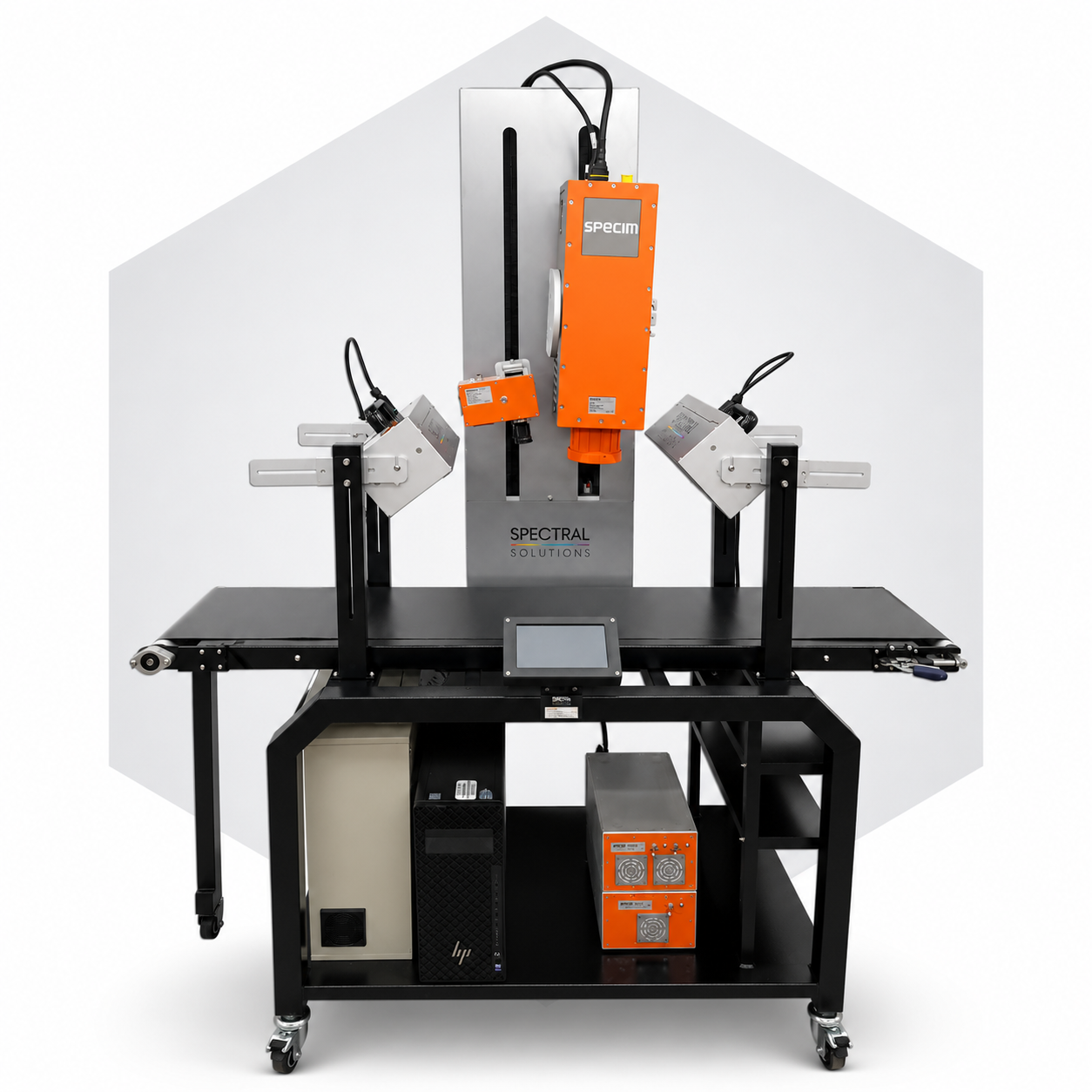
VNIR/SWIR Hyperspectral Imaging System
The LAM+ hyperspectral imaging system acquires spectral cubes of sedimentary surfaces, in which each pixel contains a spectral signature. The infrastructure integrates cameras in the visible, near-infrared and short-wave infrared ranges, enabling investigation of compositional, mineralogical, textural and structural variations in sedimentary sections and solid samples.
The system is particularly relevant for non-destructive analyses, spectral mapping, identification of subtle patterns and development of artificial intelligence models applied to sedimentary sequences.
Status: under installation / commissioning.
Avaatech XRF Core Scanner
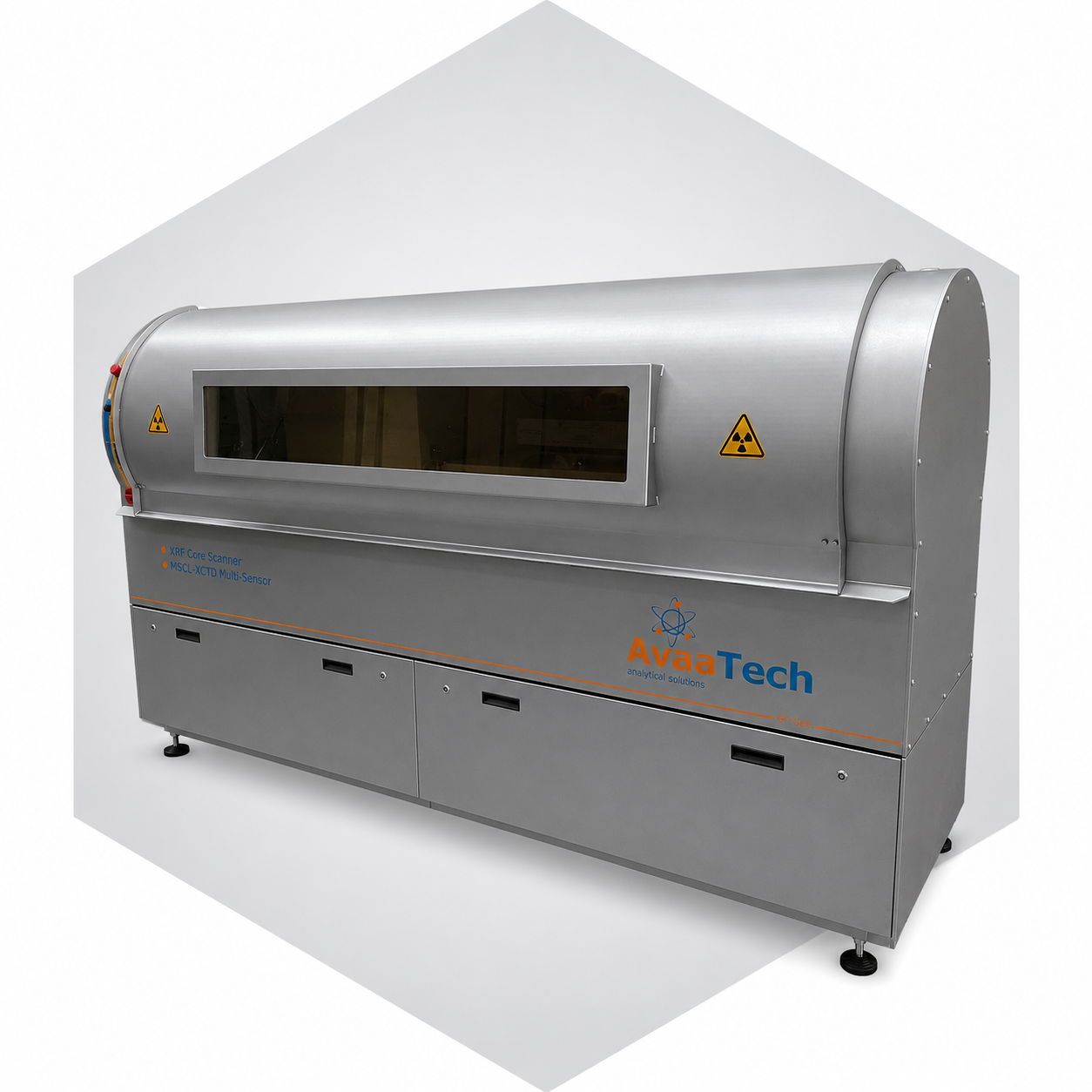
The XRF core scanner is dedicated to continuous acquisition of geochemical data from sedimentary cores by X-ray fluorescence. The technique measures elemental variations along sections at high spatial resolution without sample destruction.
The data produced are fundamental for interpretations of terrigenous input, biogenic productivity, redox conditions, grain-size variations, abrupt environmental changes and sedimentary events. The equipment is also central to intercalibration protocols, analytical standardisation and integration with artificial intelligence methods.
Status: under installation / operational deployment.
Technical imaging and visual documentation
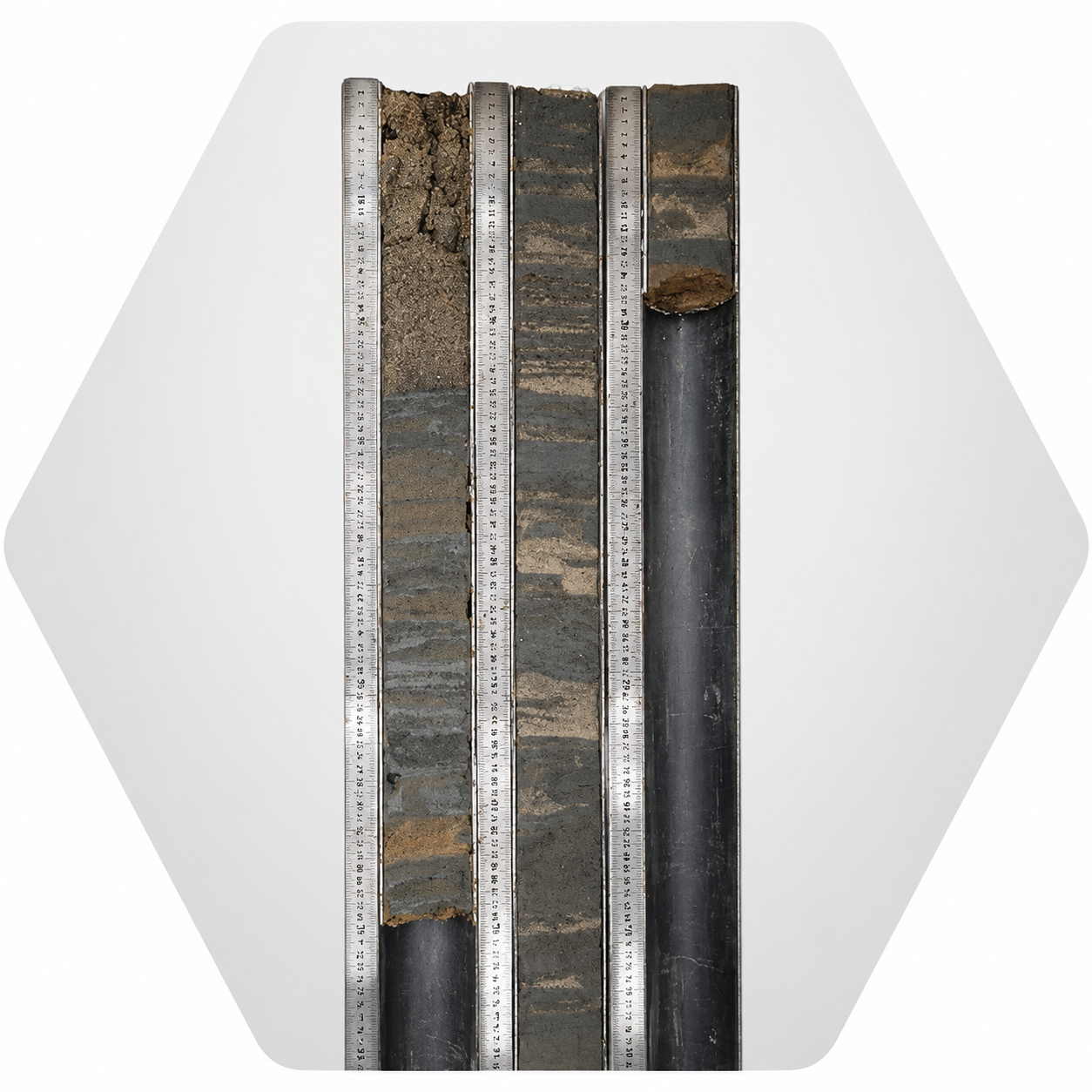
LAM+ will also organise technical imaging and visual documentation routines for sedimentary sequences. These routines include technical photography, systematic surface registration, colour scanner imaging, metadata control and association of these images with other analytical data produced in the laboratory.
The colour scanner will make it possible to record, in a standardised way, important visual variations in the samples, such as colour changes, lamination, sedimentary contacts, surface structures and features that support sedimentological interpretation.
This step is essential to ensure traceability, curation and integration between the visual description of samples, spectral and geochemical data, and products derived from computational processing.
Status: under development.
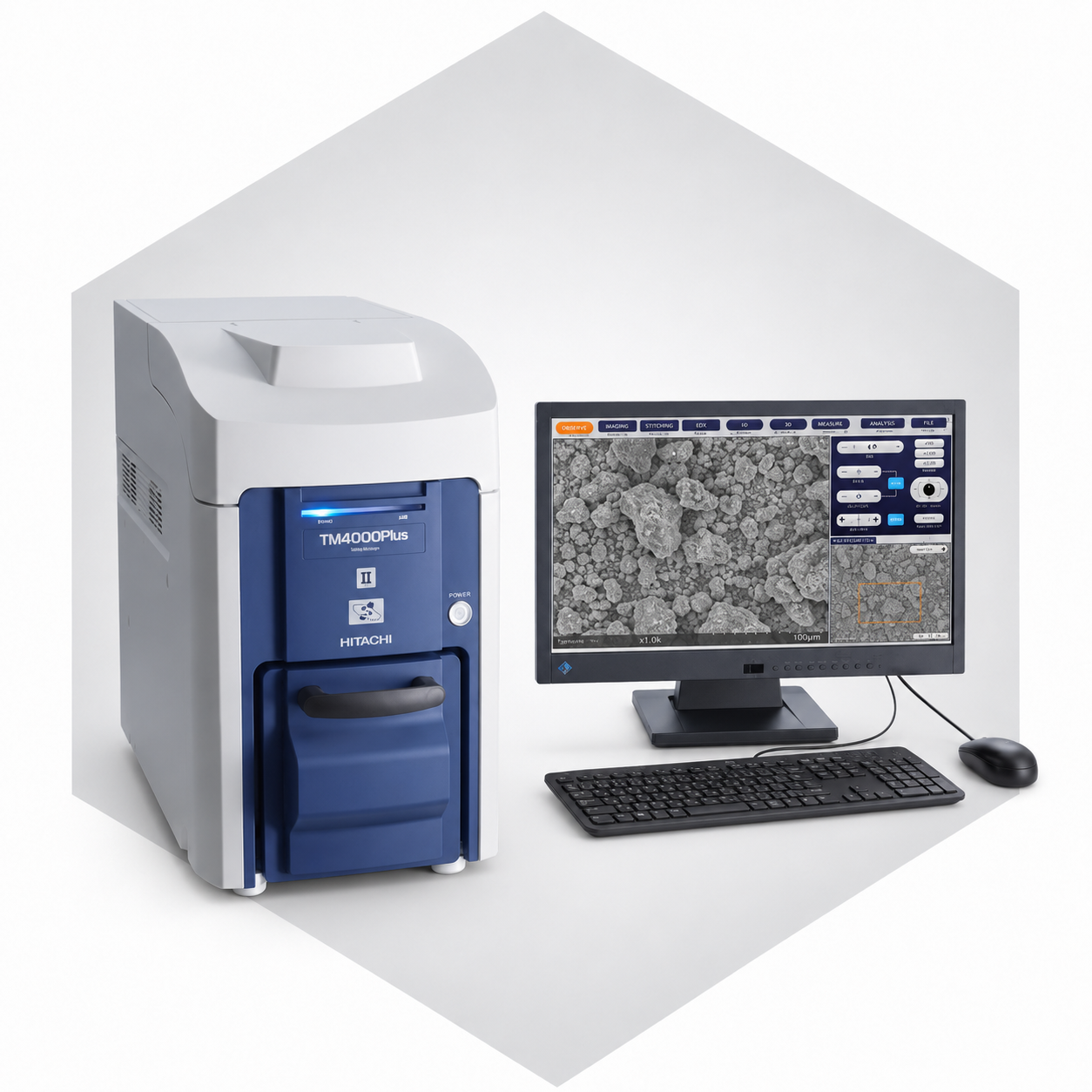
Scanning Electron Microscopy with EDS
Scanning electron microscopy with energy-dispersive spectroscopy enables characterisation of microstructures, grain morphology, mineral phases, precipitates, biogenic features and elemental composition in selected samples.
SEM-EDS acts as a high-resolution complementary tool for investigating patterns observed with continuous techniques, deepening mineralogical, sedimentological, environmental and compositional interpretations.
Status: associated infrastructure / complementary analysis.
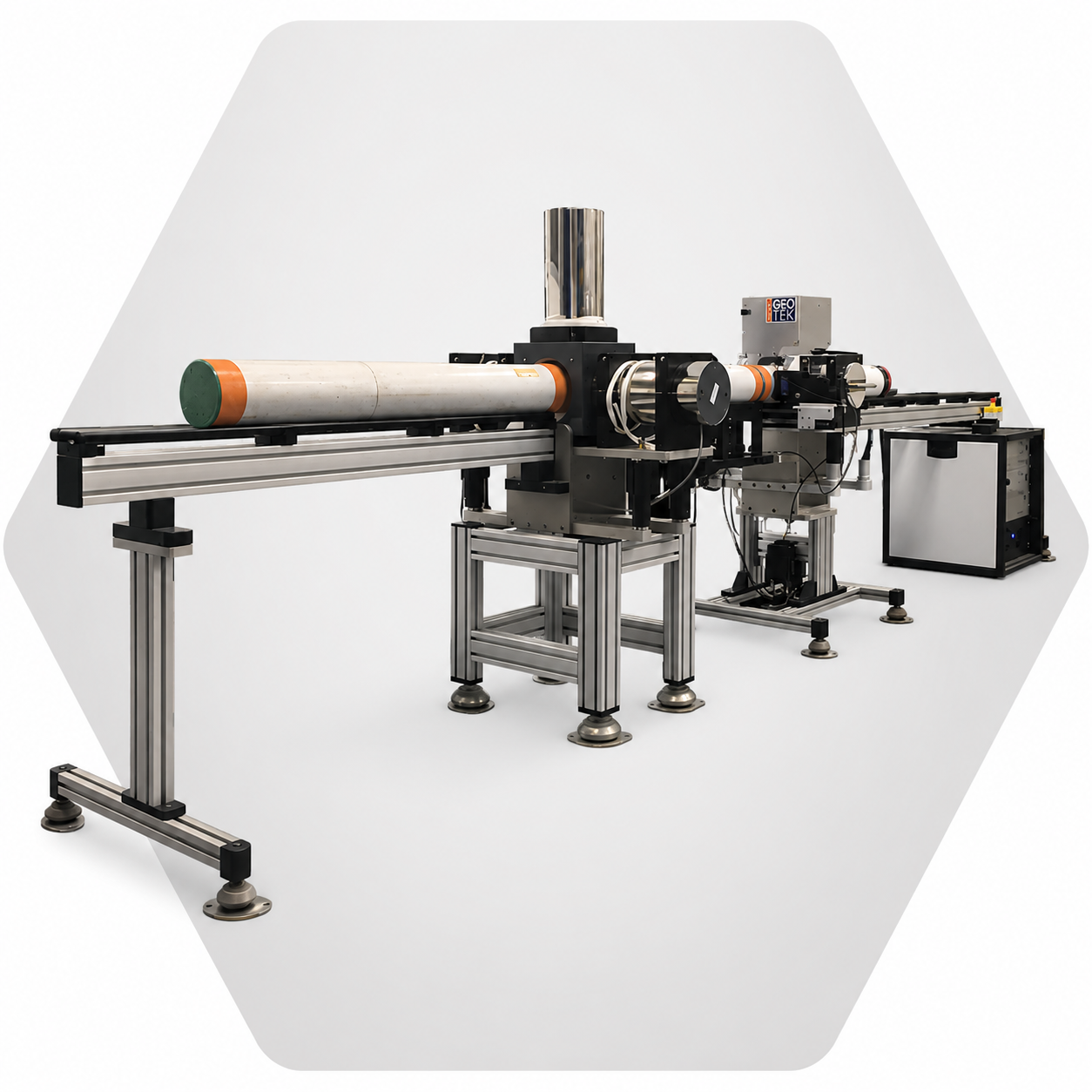
Physical properties profiling / MSCL
Physical properties profiling provides continuous measurements from sedimentary cores, including gamma density, P-wave velocity, electrical resistivity and magnetic susceptibility.
These data provide a preliminary geophysical diagnosis of sections and help interpret lithological variations, compaction changes, sedimentary properties, compositional differences and patterns associated with provenance or depositional dynamics.
Status: infrastructure available at the host institution.
Complementary analyses and support equipment
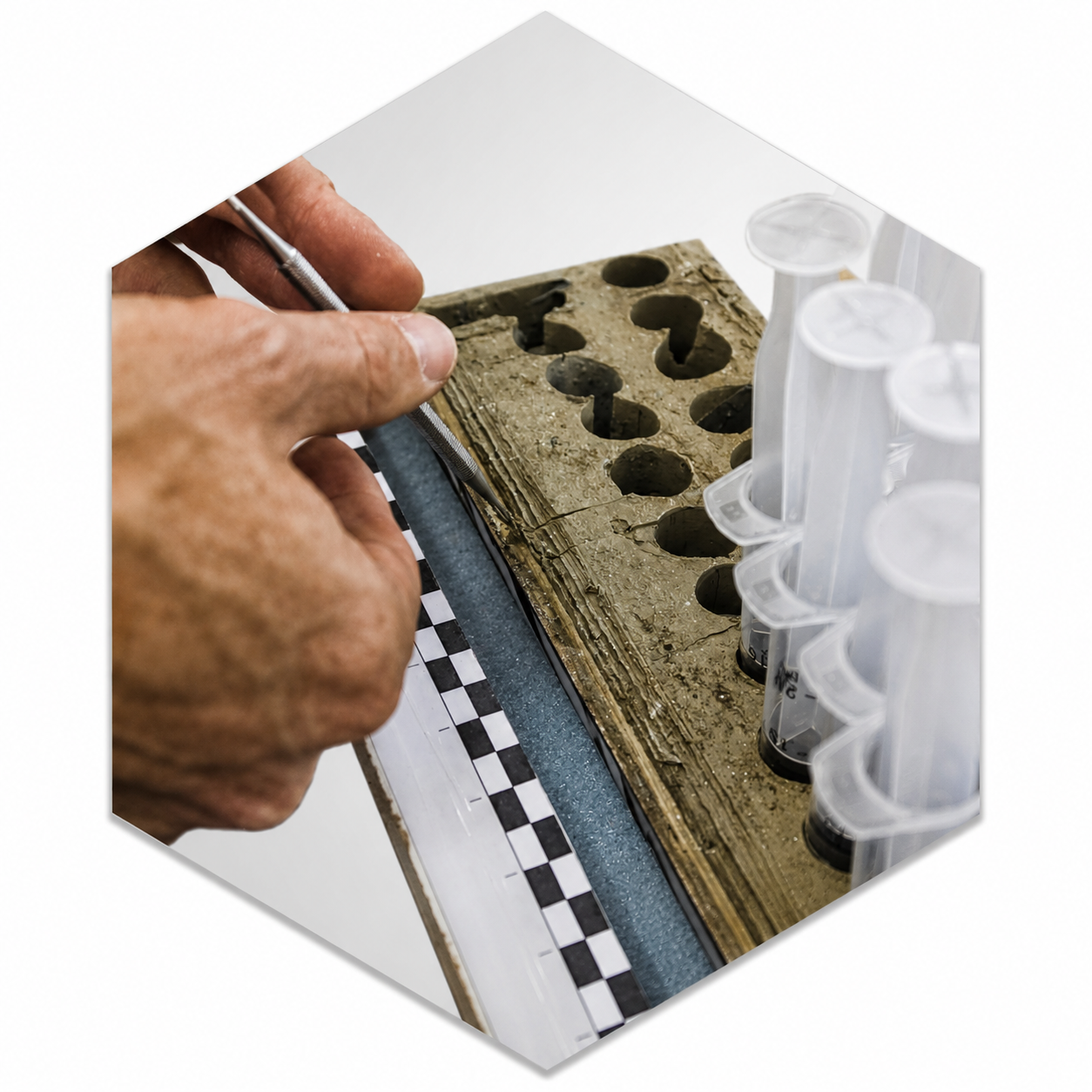
In addition to the main systems, LAM+ coordinates complementary analyses and support infrastructure for data preparation, validation and interpretation. This includes transversal opening of sedimentary sections, description of macroscopic sedimentary features, grain-size analysis, total organic carbon, total sulphur, carbonate content, X-ray diffraction, colour imaging, portable XRF, technical photography, and sample storage and curation.
These analyses are essential for calibrating, validating and interpreting products generated by continuous techniques, and for feeding computational models applied to sediment characterisation.
Status: complementary and collaborative infrastructure.
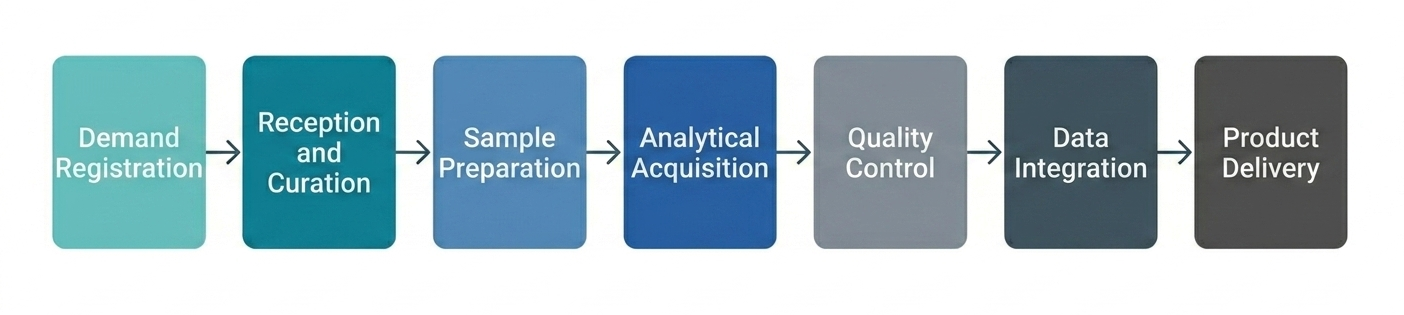
Workflow
LAM+ operates through an integrated workflow of curation, acquisition, processing and data interpretation. Each request is evaluated according to material type, sample preservation state, scientific or technical objectives, equipment availability and any need for specific methodological development.
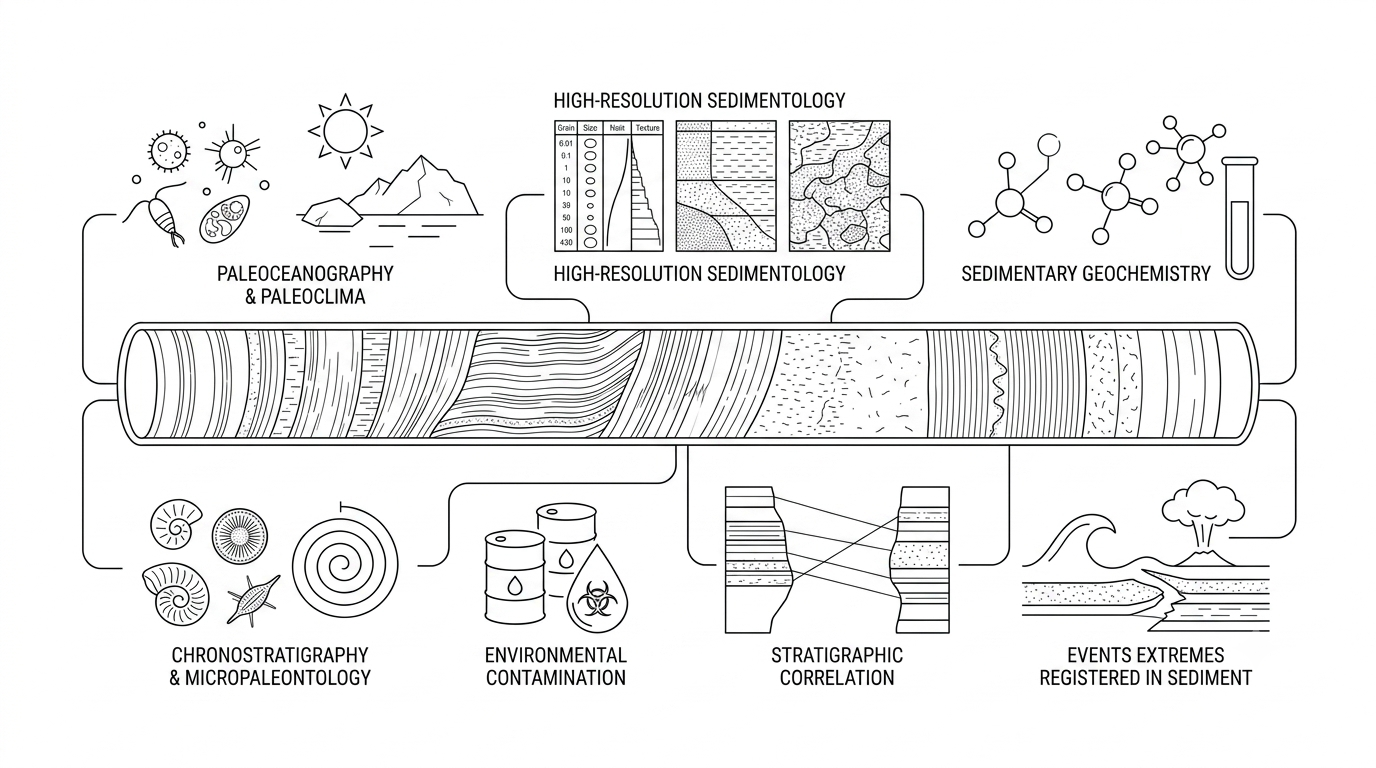
Applications
Governance, people and collaborations
LAM+ brings together researchers, technical staff, students and collaborators in a multi-user and interdisciplinary structure, organised around equipment operation, methodological development, sample curation, data integration and scientific application.
The team combines expertise in geosciences, sedimentology, geochemistry, palaeoclimatology, imaging, data science, artificial intelligence and materials characterisation.
Access the laboratory
Would you like to discuss an analysis, scientific partnership, methodological development or sample submission?